
I Don’t Feel Like Myself Anymore: Why It Happens and What It Means
The most fascinating thing about life is that it never stops. It keeps moving every second, like water flowing in one direction. It does not wait for us to understand ourselves, fix our problems, or become ready for the next moment. Life keeps going, whether we move with it or simply let it drag us forward.
But that raises an uncomfortable question: how many of us actually move with life? How many of us truly enjoy the moments we live through? I know I do not always do that, and I think many people feel the same way. We wake up tired, imagine a better version of life, think about changing something, and then repeat the same old routine. Slowly, that routine starts to make us feel disconnected from ourselves.
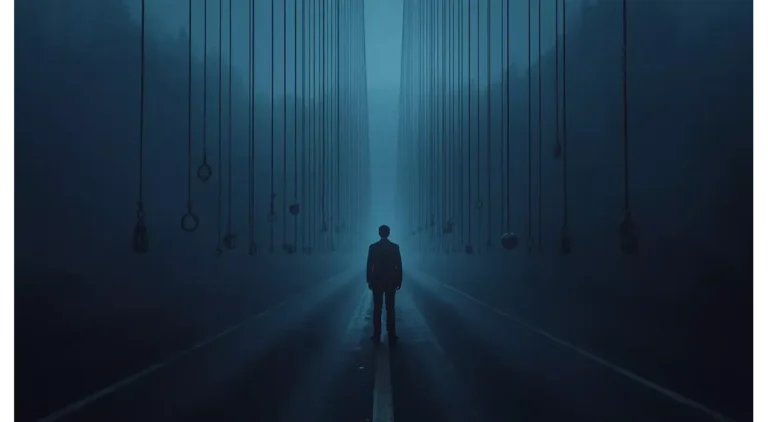
At some point, you may look at your life and think, “I don’t feel like myself anymore.” Work continues, conversations continue, scrolling continues, sleep continues, and from the outside, everything may look normal. But inside, something feels different. You function, but you do not feel fully present. Life keeps moving, yet you do not feel alive in the way you used to.
This feeling became stronger for me when I started working. My life suddenly moved at double speed, and everything passed so fast that I barely noticed my own days. Most of my routine became automatic: waking up, working, completing tasks, using my phone, eating, sleeping, and repeating the same cycle again. Some days ended before I had even paid attention to one real moment.
After a while, a few uncomfortable questions started coming up in my mind: What am I doing? What is happening to me? Who am I becoming? The person I had become did not feel like me anymore. Instead of feeling like a human being who was actually living, I felt more like a machine completing tasks, following routines, and passing days one by one.
This happens to many people in today’s fast and chaotic world. Busyness becomes normal, but presence becomes rare. Responsibilities, expectations, goals, distractions, and approval keep pulling people forward, while their connection with themselves slowly gets weaker. They keep doing things, but they stop noticing who they are becoming.
Over time, this way of living starts damaging our authenticity. Real emotions get ignored. Uncomfortable truths get pushed away. The parts of ourselves that need attention stay hidden. Survival becomes such a habit that we forget how to actually experience life. From the outside, everything may still look fine, but inside, something feels missing.
That is why I am writing this. I do not want to give perfect advice or pretend that I have everything figured out. I want to share what I have understood from my own experience of losing myself in a noisy world and slowly finding my way back. In this blog, I want to talk about why we stop feeling like ourselves, how autopilot living disconnects us from our real identity, and how we can return to authenticity in a world that constantly pulls us away from it.
What Does It Mean to Not Feel Like Yourself Anymore?

When I realized that I was losing myself in this fast-paced world, one question stayed in my mind: why did I notice it so late?
The strange thing is that many people do not even realize they are losing themselves. They keep living the same way every day, thinking everything is normal, while slowly losing their authenticity. They become disconnected from their emotions, their thoughts, their choices, and even their own identity.
And I think this is where the real problem begins.
Before we solve any problem in life, we first need to understand what the problem actually is. But this is where most people struggle. They feel different, tired, numb, or lost, but they do not stop long enough to ask themselves what is really happening inside them.
Not feeling like yourself anymore does not always look dramatic. Sometimes it shows up quietly in your daily life.
You Feel Emotionally Numb
One of the clearest signs is emotional numbness.
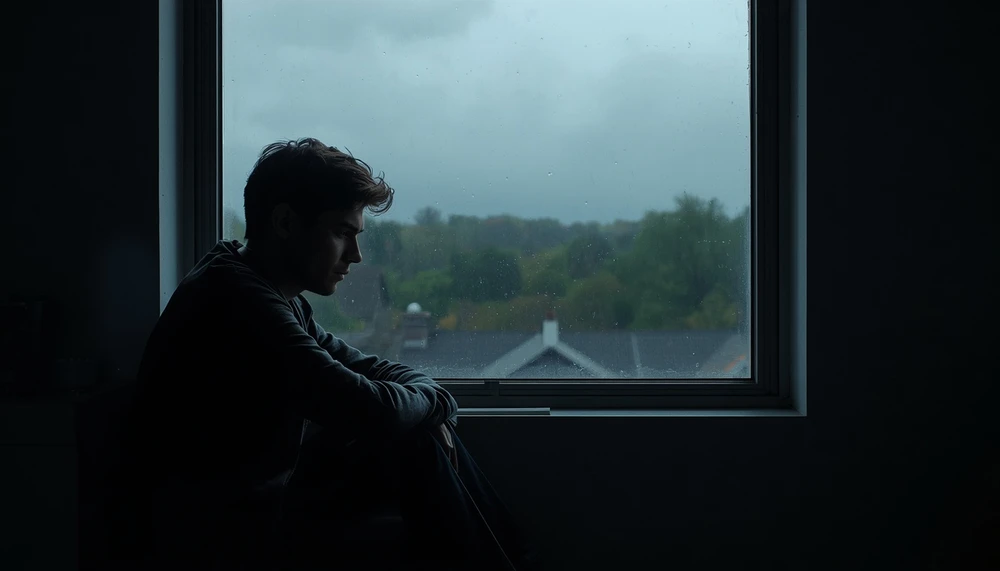
I remember meeting one of my friends after a long time. He used to be cheerful, expressive, and full of energy, but this time, something felt different. Physically, he was present, but emotionally, he seemed distant. His reactions were quieter than before, and the spark I once noticed in him was missing. Good things did not seem to excite him much, and difficult things did not seem to affect him deeply either. It felt like he was carrying something silently, something that had slowly made him less connected to himself.
That made me think about how emotional numbness slowly changes a person.
When you are emotionally numb, you do not feel joy properly. You do not feel sadness properly. You do not feel connected to moments the way you once did. Life keeps happening around you, but inside, everything feels flat.
This does not always mean the person is weak or careless. Sometimes it means they have been carrying too much for too long. Sometimes the mind becomes numb because it is tired of feeling everything so deeply.
And when that happens, you slowly start feeling like a stranger to yourself.
You Always Feel Tired

Another sign is constant tiredness.
I am not talking about the normal tiredness that comes after a long day. This is a deeper kind of tiredness, the kind that stays even after sleep. Morning comes, but you do not feel fresh. There is no excitement to start the day, and even getting out of bed can feel heavier than it should.
This kind of tiredness is not always physical. Sometimes it comes from living a life that does not feel connected to you anymore.
When your mind feels heavy, even simple things start feeling difficult. Replying to messages feels tiring. Talking to people feels tiring. Working feels tiring. Even thinking about your future feels tiring.
And sometimes, sleep becomes more than rest. It becomes an escape. You do not sleep because your body needs recovery, but because you do not want to face your own thoughts.
That is a serious sign that something inside you needs attention.
Your Days Feel Repetitive
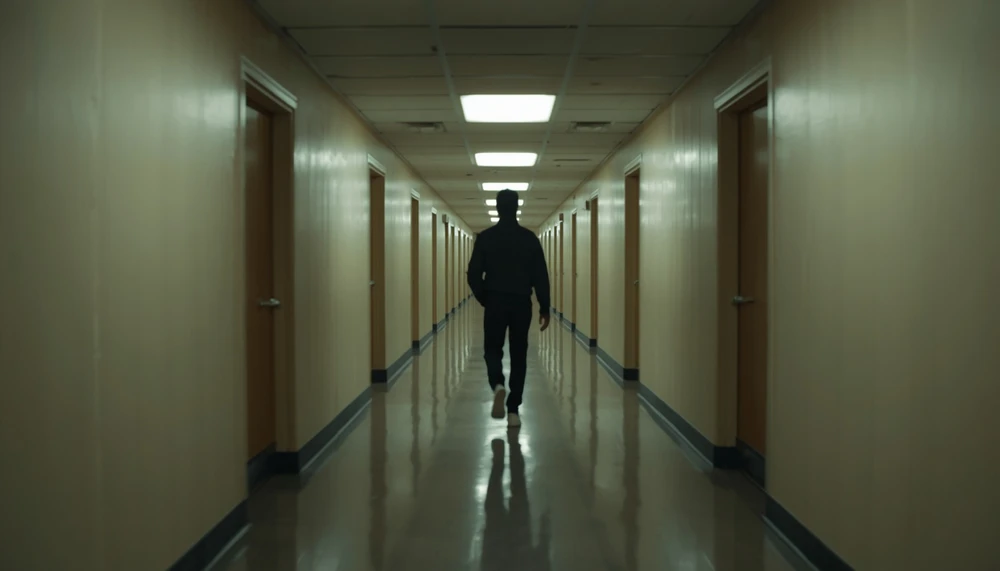
When you do not feel like yourself anymore, your life can start feeling like a loop.
You wake up, do the same work, follow the same routine, use your phone, eat, sleep, and repeat everything the next day. At first, this looks normal because everyone has responsibilities. But after a while, the routine starts controlling you.
Days pass. Then weeks pass. Then months pass. And one day, you realise that you are not really living your life. You are just repeating it.
This is how autopilot takes over.
Conscious choices slowly disappear. Small moments stop getting your attention. The question of what you actually want gets pushed away. After a while, life starts feeling mechanical, as if you are only performing daily tasks without ever stopping to ask why.
The danger is that this kind of life does not always feel painful immediately. It feels normal. And that is why so many people stay stuck in it for years.
You Stop Enjoying the Things You Once Loved

Another painful sign is losing interest in things that once made you feel alive.
This happened to me, too. I used to enjoy gaming a lot. It was something I genuinely liked. But later, I noticed that I did not enjoy it the same way anymore. I would do it, but the feeling was missing. The same thing that once made me happy started feeling empty.
That made me realise something important: sometimes we do not lose interest in a hobby because the hobby has changed. Sometimes we lose interest because we have changed, or because something inside us feels disconnected.
When you stop enjoying the things you once loved, it can feel confusing. You start wondering, “What happened to me? Why does nothing feel the same anymore?”
This is one of the moments when the thought becomes clear: I don’t feel like myself anymore.
Your Thoughts and Emotions Do Not Feel Aligned

When you lose touch with yourself, your thoughts and emotions can feel disconnected.
Sometimes your thoughts and emotions stop moving together. The mind keeps analyzing everything, but the heart feels almost silent. You understand what is happening logically, yet emotionally, everything feels blank. Even when the right action seems obvious, something inside still feels too heavy to move.
This creates a strange inner conflict.
Your mind keeps running, but your emotions do not follow. Overthinking takes over, while action becomes harder. A better life stays in your imagination, but the same habits keep repeating in reality. Change feels necessary, yet starting feels exhausting.
This is where many people get stuck. They live inside their heads, but they lose connection with their real feelings. And when thoughts and emotions stop working together, life starts feeling confusing.
You Are Existing, Not Living
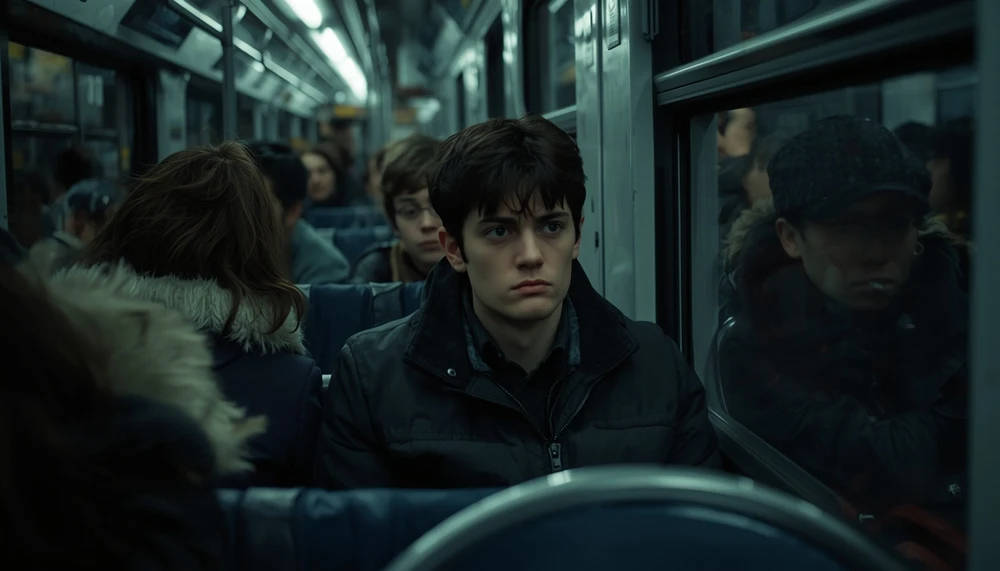
This is probably the most common sign.
Many people are not actually living. They are just existing. They pass the time, complete tasks, meet expectations, and move from one day to another without really experiencing life.
You can see it on people’s faces if you pay attention. Many people look tired, distracted, and disconnected. They are physically present, but mentally somewhere else. They are alive, but not fully living.
And the sad part is that most people do not even realise it. They think this is just how life works. They think adulthood means losing excitement, losing presence, and becoming numb to everything.
But I do not think that is true.
Not feeling like yourself anymore is often a signal. Something inside is trying to get your attention, asking for a change you may have been avoiding. Your mind may need rest, your life may need more honesty, and your emotions may need to be heard instead of pushed away. It may also be a sign that you have been living too long for routine, approval, and survival instead of yourself.
Because at the end of the day, the goal is not just to pass the time. The goal is to actually feel connected to the life you are living.
The Moment You Realise “This Is Not Me”
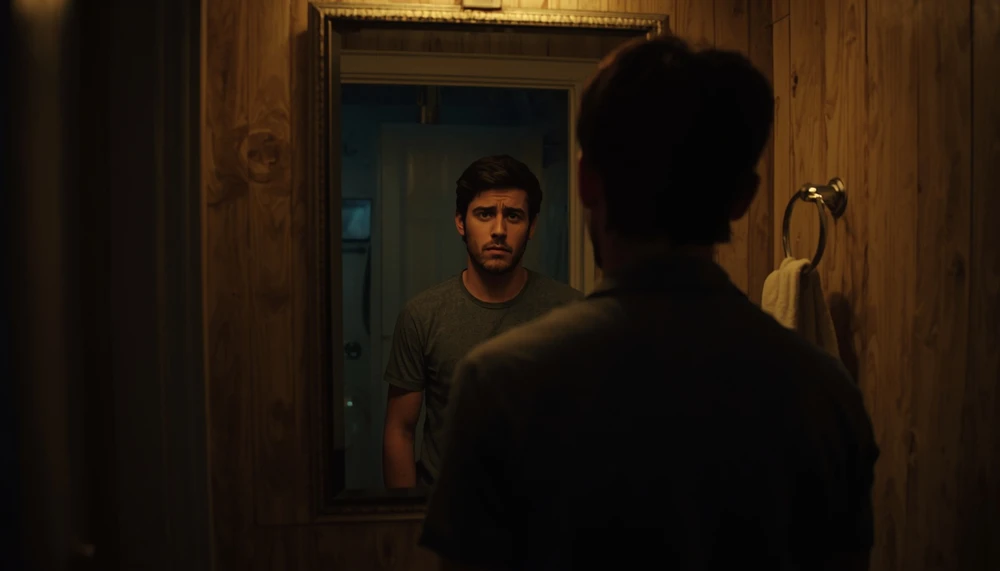
There is a moment that comes in almost everyone’s life, one way or another, when they suddenly realise, “This is not me.”
Sometimes it happens quietly. You may be sitting alone after a long day, repeating the same routine again, or looking at yourself and suddenly feeling disconnected from the person you have become.
For me, that moment was eye-opening.
It was not dramatic from the outside. Nothing huge happened. Nobody came and told me that I had changed. Life looked normal. I was doing my work, following my routine, and passing through my days like usual. But inside, something felt wrong.
I realized that I don’t feel like myself anymore.
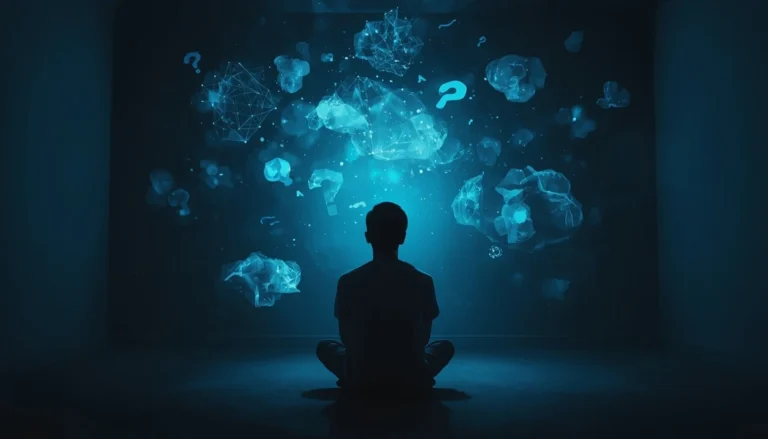
And once that thought came into my mind, it did not leave quietly. My head started filling with questions. Why am I living like this? Where did the real me go? What changed me so much? How did I become more like a machine and less like a human being?
The hardest part was that I had many questions, but almost no answers.
That is what makes losing yourself so confusing. It does not usually happen in one clear moment. You do not wake up one morning and suddenly become a completely different person. It happens slowly. It happens through small compromises, repeated routines, ignored emotions, constant comparison, and the pressure to become someone you think you are supposed to be.
A little bit of yourself disappears whenever you silence what you really feel, pretend to be okay when you are not, or live for other people’s approval instead of your own truth. At first, these choices may seem small, but over time they create distance between who you are and who you are pretending to be.
Then one day, you look at yourself and wonder how you reached so far away from the person you used to be.
That realization hurt, but it also helped me see the truth more clearly. I had spent too much of my life trying to become someone else. Comparison shaped my choices. Expectations that did not even belong to me controlled my direction. Success looked good from the outside, but deep down, it did not feel honest.
But the good thing was that I finally started asking the right questions.
Instead of only asking, “Why am I like this?” I started asking, “What part of me have I been ignoring?” Instead of asking, “How do I become like others?” I started asking, “Who am I when I stop performing?” Instead of asking, “What will people think?” I started asking, “What actually feels true to me?”
And maybe that is where finding yourself begins.
Not with a perfect answer. Not with a sudden life transformation. But with one honest moment where you stop running from yourself and finally admit, “This is not me, and I need to understand why.”
How to Find Yourself Again in a Chaotic World

After realizing that I had lost myself in this chaotic world, the next question was obvious: how do I find myself again?
Because knowing that you are lost and actually finding your way back are two completely different things. Realisation is only the first step. After that, you need effort, patience, and honesty with yourself.
This is also a personal journey. I can share how I found myself, but I cannot find you for you. Nobody can do that. Other people can guide you, inspire you, or make you think, but you still have to sit with yourself and do the inner work.
Here are a few things that helped me reconnect with myself.
Spending Time Alone With Myself

The first thing I did was simple: I started spending time alone with myself every day.
At first, I gave myself only ten quiet minutes a day. No phone, no music, no scrolling, and no distractions. Just enough silence to finally hear my own thoughts.
This practice helped me more than I expected because when you sit with yourself, the thoughts you keep ignoring slowly start coming back. You begin to notice how you think, what you think about, what bothers you, what makes you angry, what you avoid, and what you actually want from life.
Most people never understand themselves because they never sit with themselves. The moment they feel uncomfortable, they pick up their phone, play music, watch something, or look for a distraction. But the truth is that you cannot find yourself if you keep escaping yourself.
Spending time alone helped me understand my own thinking patterns. It showed me where my mind goes when I stop feeding it noise. It also helped me feel calmer and more aware throughout the day.
Now I spend more than an hour with myself every day, and it has become one of the most important parts of my life. I genuinely recommend this practice to anyone who feels disconnected from themselves. Start with ten minutes. That is enough. The point is not to do it perfectly. The point is to give yourself your own attention, finally.
Clearing My Mind on Paper

Writing became one of the biggest tools for clearing my mind. Thoughts can feel like a spider web when they stay trapped inside your head. One thought connects to another, then another, and before you understand what is happening, everything feels tangled.
Putting those thoughts on paper changes that. The confusion slowly leaves your head and becomes something you can actually look at. Instead of feeling trapped inside your own mind, you begin to see what is really going on within you.
I personally love writing because it helps me understand myself every single day. Usually, I write one page about whatever is happening in my mind at that moment. It is not just a record of what happened during the day. It is a way of listening to what my thoughts are trying to tell me.
This helped me notice my thinking patterns. It showed me what I kept worrying about, what I kept avoiding, and what emotions I had been ignoring. Writing did not solve everything instantly, but it gave me clarity. And sometimes clarity is the first real step toward change.
If you feel lost, try writing without judging yourself. Do not worry about grammar. Do not try to sound smart. Just write honestly. Your mind becomes much clearer when you stop silently carrying every thought.
Cutting Down Social Media

Cutting down social media was one of the hardest but most useful changes for me.
I am not saying everyone needs to remove social media completely. For some people, it helps with work, learning, connection, or creativity. But for me, social media was not helping anymore. It was making me compare myself more than it was helping me connect with people.
Everywhere I looked, people seemed to be living some perfect fantasy life. Travel, success, happiness, money, confidence, and progress were constantly on display. Even though I knew social media was not the full truth, my mind still started comparing my real life with other people’s edited moments.
That comparison slowly pulled me away from my own path.
So I decided to remove it from my life. Honestly, my mind became much more peaceful after that. There were fewer useless thoughts, less pressure, and no constant need to measure my life against versions of people that were never fully real in the first place.
You do not have to delete every app, but you need to be honest with yourself. If something constantly makes you feel insecure, distracted, jealous, or behind in life, then it is not harmless. It is shaping your mind every day.
And if you want to find yourself again, you have to stop giving so much power to things that pull you away from yourself.
Listening to My Emotions Instead of Escaping Them

The last thing that helped me was learning to listen to my emotions instead of escaping them.
For a long time, I made the mistake of running away from what I felt. Sadness became something to distract myself from. Anxiety became something to ignore. Anger became something to push down. I thought avoiding emotions would make them disappear.
But emotions do not disappear just because we ignore them. They stay inside us, grow heavier, and come back in different ways. The more we avoid them, the more disconnected we become from ourselves.
So I started listening.
Instead of running away, I began asking myself simple questions: What am I feeling right now? Why does this bother me? What is my body trying to tell me? Which emotion am I avoiding? What truth am I refusing to accept?
This changed the way I saw myself.
Your emotions are not always enemies. Sometimes they are signals. Sadness may show you what matters. Anger may show you where your boundaries were crossed. Anxiety may show you what needs attention. Tiredness may show you that you have been carrying too much for too long.
When you start listening to your emotions instead of escaping them, you slowly start becoming honest with yourself again. And honesty is one of the strongest ways to return to who you really are.
Final Thoughts
Life will keep moving. It will not pause for us to understand ourselves, fix everything, or become ready. One day, you and I and everyone else will leave this world behind. That is not meant to sound dark. It is meant to remind us that this life is not something we should sleepwalk through.
At the end, we may not think only about how much money we made, how big our business became, or how successful we looked to other people. We may think about how honestly we lived, how deeply we loved, how much we experienced, how often we smiled, how quickly we forgave, and whether we stayed true to ourselves.
So stop living inside a shell built from fear, comparison, and false security.
Live more consciously. Listen to yourself. Forgive faster. Move on faster. Smile more often. Stop pretending to be someone you are not. And most importantly, do not abandon yourself just to fit into a world that is already full of people who have forgotten who they are.
Maybe finding yourself again is not about becoming a completely new person.
Maybe it is about finally returning to the person you kept ignoring.