
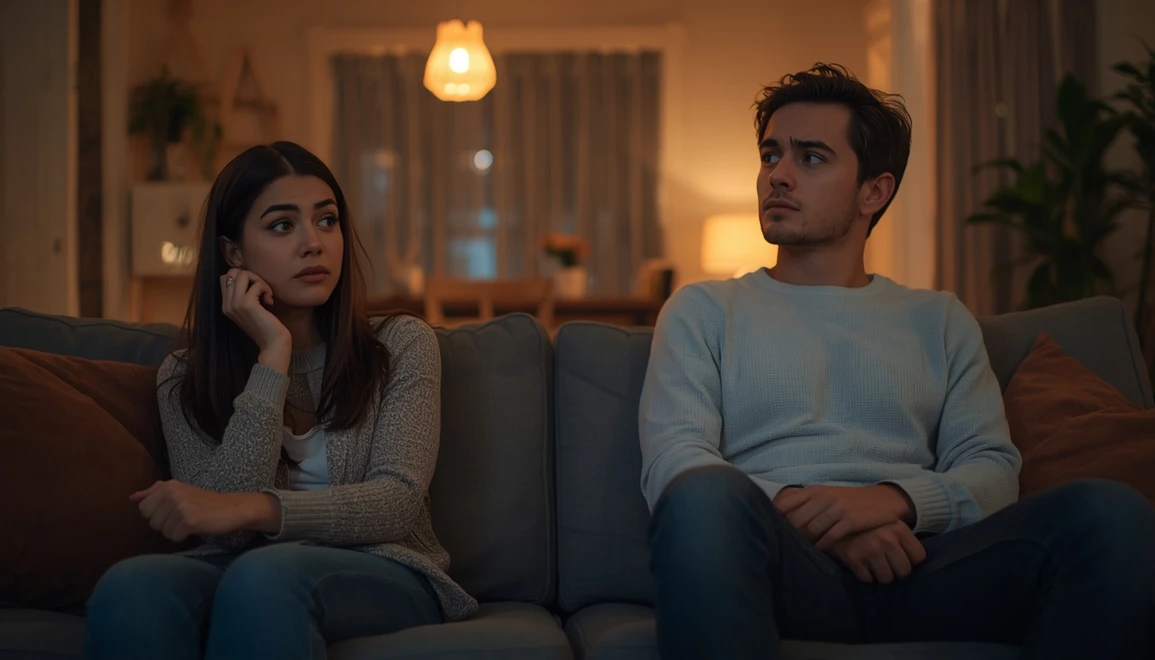
Falling Out of Love: Why It Happens and Can Love Come Back?
Human beings are emotional creatures. We experience countless emotions throughout our lives, each with its own name and meaning. But among all of them, there is one emotion that stands above the rest—love.
Ever since I was a child, I had heard love stories. I watched movies where love conquered every obstacle, read books that described it as the most powerful force in the world, and listened to people talk about it as if it were life’s greatest achievement. Everywhere I looked, I was told the same thing: love is the greatest emotion a person can ever experience.
Love comes in many forms. It can be the love you have for yourself, your family, your friends, a beautiful sunset, or even the work you’re passionate about. But today, we’re going to talk about the kind of love that almost everyone dreams about at some point in their life—falling in love with another person.
As we grow up, most of us create an imaginary story in our minds. We picture ourselves meeting someone special, someone who understands us, someone who changes our life. We imagine the late-night conversations, the excitement of seeing their name appear on our phone, the butterflies before meeting them, the endless smiles, and the feeling that we’ve finally found “our person.”
For many people, falling in love becomes one of the most beautiful experiences they ever have. Every conversation feels exciting, every message makes your heart race, and even ordinary moments become unforgettable simply because they’re shared with that one person.
But then, one day, something changes.
The excitement isn’t quite the same anymore. Conversations start feeling forced. The butterflies disappear. You no longer look forward to seeing them the way you once did. And before you know it, a frightening question enters your mind:
“Am I falling out of love, or is this just a phase?”
This is where many people begin to panic. They assume the relationship is over. They believe that if the intense feelings have faded, then love itself must have disappeared. Some even end their relationship without fully understanding what they’re experiencing.
But falling out of love isn’t as simple as it sounds.
Love is one of the most complex emotions we experience, and so is the feeling of losing it. Sometimes what you’re experiencing is the natural evolution of a relationship. Other times, it’s emotional exhaustion, unresolved conflict, unmet needs, or growing apart. The challenge is knowing the difference.
In this article, we’ll explore what it really means to fall out of love, why it happens, whether those feelings can return, and how to tell if your relationship is truly ending—or if you’re simply confusing change with the end of love.
What Does Falling Out of Love Really Mean?
Before we go any further, we first need to understand what falling out of love actually means. Surprisingly, many people mistake every strong emotion for love. In today’s world, words like love, obsession, attachment, and infatuation are often used interchangeably, even though they describe very different experiences.
One of the biggest reasons people believe they’re falling out of love is because what they experienced in the beginning wasn’t necessarily love—it was infatuation.
Infatuation is the intense excitement you feel when you first meet someone. You constantly think about them, wait for their messages, want to spend every moment together, and everything about them seems perfect. It’s an incredible feeling, but it’s also driven by novelty and strong emotions.
The important thing to understand is that infatuation isn’t designed to last forever. As you get to know someone better and the relationship becomes familiar, that initial intensity naturally begins to settle. This happens in most relationships, and it’s completely normal.
Unfortunately, many people mistake the end of infatuation for the end of love.
When the butterflies become less frequent, the excitement isn’t as overwhelming, or life starts feeling more ordinary, they immediately assume, “I’m falling out of love.” But in reality, they may simply be moving from the excitement of infatuation into a deeper and more realistic stage of love.
This is why it’s so important to ask yourself an honest question:
Are you truly falling out of love, or are you simply watching infatuation fade?
Another thing we often forget is that emotions are constantly changing. No human being feels exactly the same every single day. Stress, work, family responsibilities, mental health, and life circumstances all influence how we express our emotions.
When emotions change, our behaviour naturally changes as well. We may become quieter, less expressive, or less affectionate for a period of time. Unfortunately, our partner often interprets these changes as, “They don’t love me anymore.”
You’ve probably heard people say, “They’ve changed since we got into the relationship.” Sometimes that’s true, but many times it isn’t about love disappearing at all. It’s simply that both people are experiencing natural emotional changes and don’t fully understand what those changes mean.
Learning to recognize the difference between changing emotions and losing love is one of the most important parts of understanding any long-term relationship.
Signs You’re Falling Out of Love
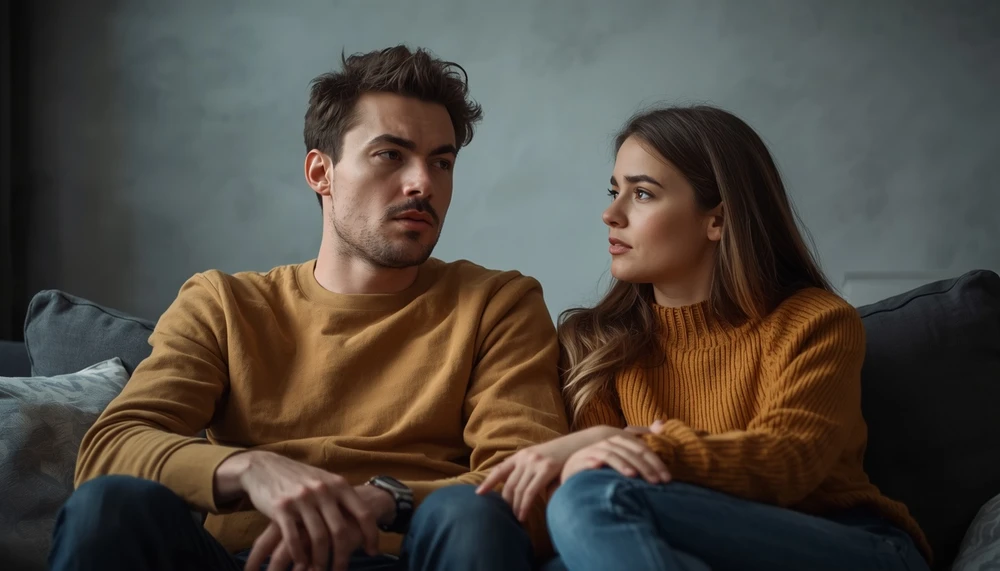
One of the biggest problems is that many people don’t even realize they’re falling out of love. Instead of questioning how they truly feel, they continue the relationship on autopilot, hoping things will somehow get better on their own. In the process, they end up wasting not only their own time but also their partner’s.
Although every relationship is different, there are some common signs that may indicate your feelings are changing. One or two of these signs don’t automatically mean you’ve fallen out of love, but if several of them persist over a long period, it’s worth paying attention.
You No Longer Look Forward to Spending Time Together
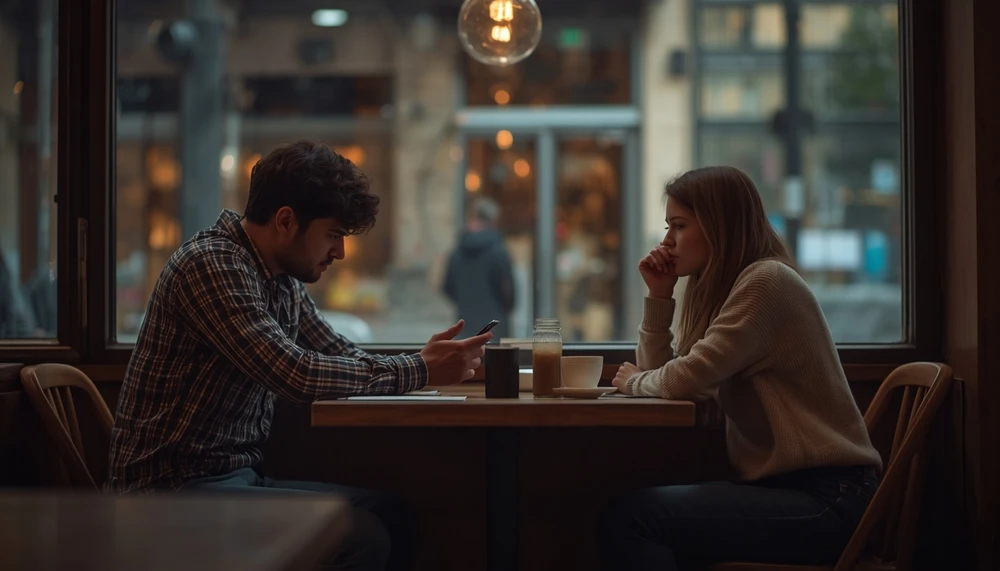
At the beginning of a relationship, spending time together feels effortless. You constantly look for excuses to meet, every conversation feels exciting, and even simple moments become special because you’re sharing them with someone you care about.
But if spending time with your partner starts feeling like an obligation rather than something you genuinely enjoy, it may be a sign that your emotional connection is weakening. If you’re only meeting them out of habit, guilt, or responsibility instead of desire, it’s worth asking yourself why.
Conversations Feel Like a Chore
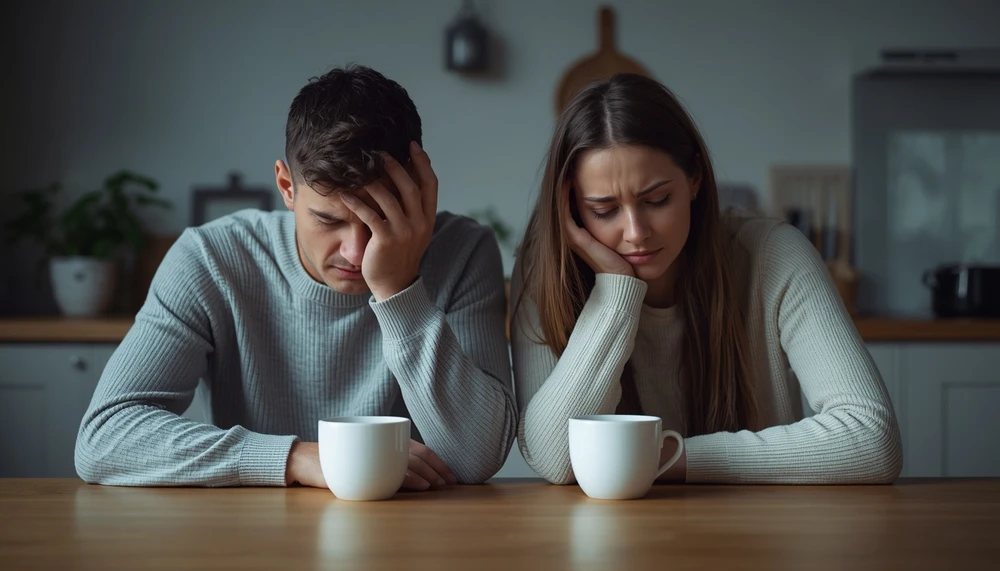
Communication is the foundation of every healthy relationship. It’s how couples understand each other, solve problems, and build emotional intimacy.
When you’re falling out of love, conversations often begin to feel forced. You no longer feel excited to share your day, ask about theirs, or keep the conversation going. Instead of looking forward to talking, it starts to feel like another task you have to complete.
A relationship cannot thrive if both partners slowly stop wanting to communicate.
Physical Affection Decreases
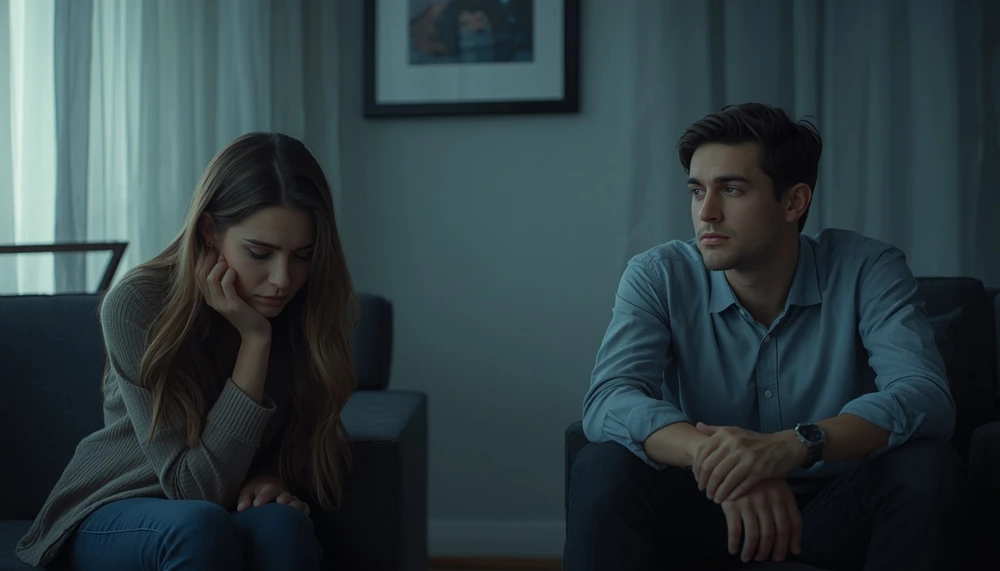
Physical affection isn’t just about intimacy—it’s one of the ways we naturally express love and emotional closeness. Holding hands, hugging, kissing, or simply wanting to be close to your partner often comes naturally when a strong emotional connection exists.
If you consistently avoid physical affection, feel uncomfortable being close to your partner, or no longer feel any desire to express love physically, it could indicate that your feelings have changed. However, it’s also important to remember that stress, health issues, and other life circumstances can temporarily affect physical intimacy, so this sign should never be viewed in isolation.
You Stop Imagining a Future Together

One of the clearest signs of a healthy relationship is that you naturally include your partner when thinking about the future.
Whether it’s planning a vacation, discussing future goals, or imagining life years from now, they become part of the picture.
But if you find yourself making future plans without considering them—or you can’t imagine them being part of your life anymore—it may suggest that your emotional investment in the relationship is fading.
The future you once dreamed about together slowly becomes a future you picture alone.
Why Do People Fall Out of Love?
Now comes the biggest question:
Why do people fall out of love?
How can the same person you once wanted to spend your entire life with suddenly feel like a stranger? Why do those strong emotions slowly fade, leaving you wondering what went wrong?
The truth is, there isn’t just one reason. Relationships usually don’t end because of a single moment—they change gradually over time. Understanding these reasons can help you decide whether your relationship is simply going through a difficult phase or whether your feelings have genuinely changed.
The Honeymoon Phase Ends
One of the biggest reasons people believe they’re falling out of love is because the honeymoon phase naturally comes to an end.
When you first enter a relationship, everything feels new and exciting. Your brain rewards these new experiences by releasing chemicals such as dopamine, which creates excitement and motivation, and oxytocin, which helps build trust and emotional bonding.
This is why, in the beginning, you constantly think about your partner. Every text message feels exciting, every date feels special, and simply being around them makes you happy.
But no human brain can stay in that intense state forever.
As the relationship becomes familiar, the excitement naturally settles down. This doesn’t automatically mean you’ve fallen out of love—it simply means your relationship is moving from excitement to stability.
Unfortunately, many couples mistake the end of the honeymoon phase for the end of love itself.
Emotional Needs Stop Being Met
As time passes, both partners naturally become more comfortable with each other. Sometimes this comfort causes people to stop putting in the same level of effort they once did.
Small acts of appreciation become less frequent. Conversations become shorter. Quality time decreases. One or both partners may begin feeling unheard, unsupported, or emotionally neglected.
Love isn’t just about feelings—it’s also about making each other feel valued.
When emotional needs remain unmet for a long time, emotional distance slowly begins to grow.
Lack of Communication
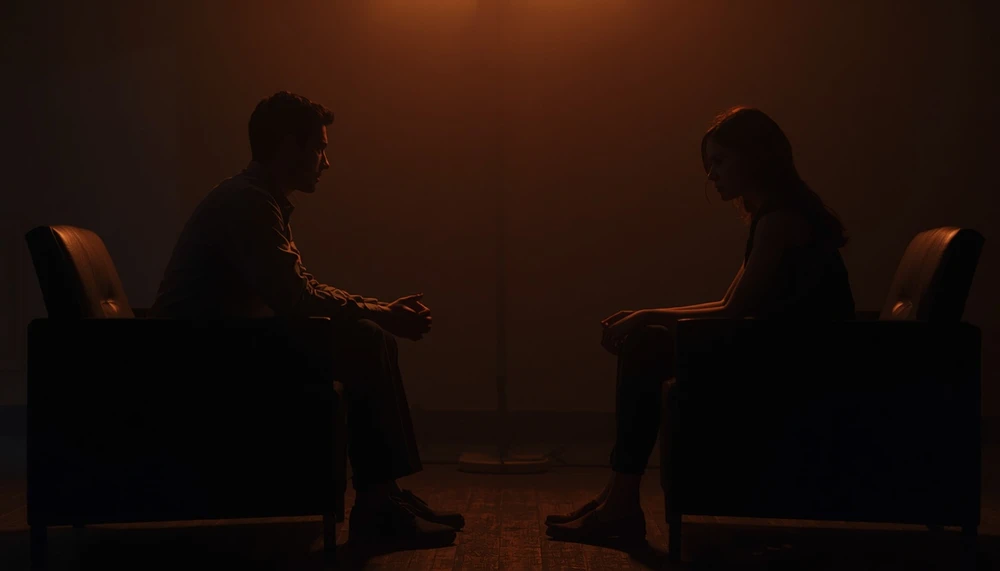
Communication is one of the strongest pillars of every healthy relationship.
Every couple experiences disagreements. The difference is that healthy couples talk about their problems instead of avoiding them.
When communication stops, even the smallest misunderstandings begin to grow into much larger problems. Assumptions replace conversations, resentment builds over time, and partners slowly drift apart without even realizing it.
Many relationships don’t end because of one major argument—they end because of hundreds of small conversations that never happened.
Stress and Burnout
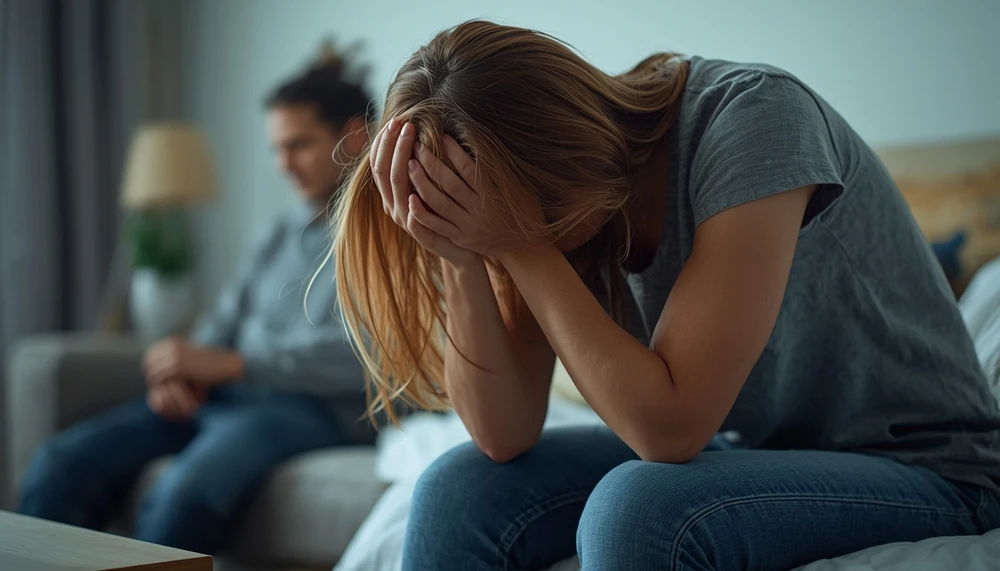
Sometimes the problem isn’t the relationship at all.
Work pressure, financial struggles, family responsibilities, health problems, and daily stress can leave people emotionally exhausted.
When someone is mentally drained, they often have less energy to communicate, show affection, or invest in the relationship. Their partner may mistake this emotional exhaustion for a lack of love, even though the real problem lies elsewhere.
This is why it’s important to look at the bigger picture before assuming the relationship itself is the problem.
Can Love Come Back?
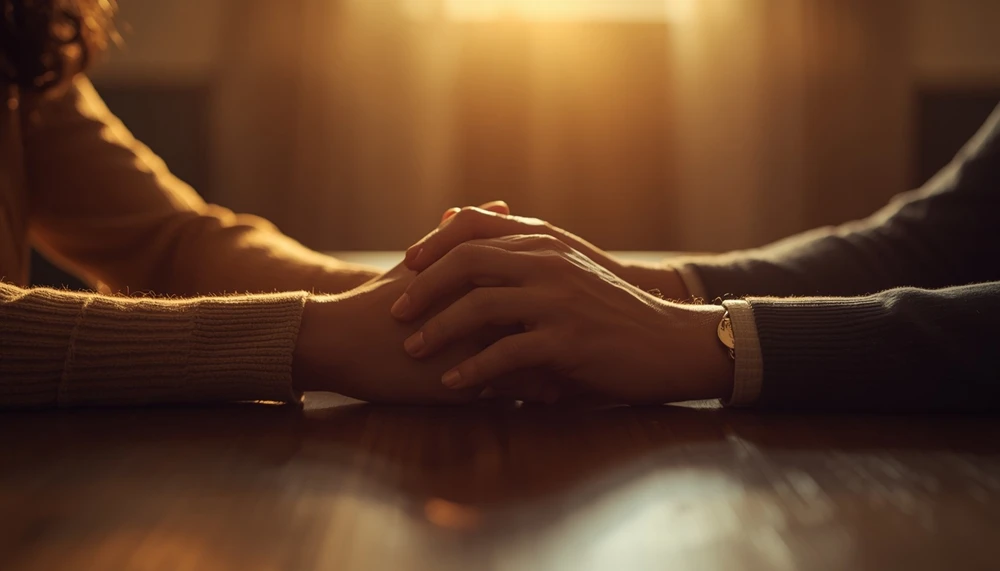
This is probably one of the most common questions people ask after realizing their feelings have changed.
The honest answer is yes—but not always.
Whether love can return depends entirely on both partners and their willingness to rebuild the relationship.
If the relationship still has trust, respect, and a genuine desire from both people to make things work, love can often grow again. It usually requires honest communication, consistent effort, quality time together, and addressing the problems that caused the emotional distance in the first place.
However, if both people have completely grown apart, repeatedly hurt each other, or no longer wish to invest in the relationship, forcing it rarely leads to happiness.
Sometimes the healthiest decision isn’t holding on—it’s letting go.
Relationships are complicated, and they don’t heal overnight. Give yourself and your partner time to understand each other before making life-changing decisions.
But remember this:
Never force love.
A relationship built on obligation, fear, or guilt rarely lasts. Sometimes staying is the right decision. Other times, walking away is the bravest thing you can do.
The wisdom lies in knowing the difference.