
Is Fear All in Your Mind? How to Overcome Fear and Anxiety
When I was a child, I had many fears. I was afraid of exams, peer pressure, talking to strangers, and many other things. The list was endless. But back then, I never realised those feelings were actually fear. I used to think I simply hated those situations and wanted to avoid them.
Later, I understood something important. I did not truly hate those things. A part of my mind was simply afraid to face them. To escape that discomfort, I gave those fears different names like “I don’t like this” or “This is not for me.” But in reality, it was fear hiding behind excuses.
Fear is one of the most common emotions experienced by every living being. From a small child to an old man, everyone has something they are afraid of. Some fears are necessary for survival. We inherited them from our ancestors. Fear protected humans from danger and helped them stay alive. I call these external fears because they are connected to real threats in the outside world.
But there is another type of fear that is far more dangerous — psychological fear. Unlike physical danger, this fear exists mostly inside the mind. Nowadays, most people rarely face life-threatening situations, but psychological fear has become stronger than ever. Everyone is afraid of something. Some fear loneliness, some fear failure, and others fear losing the people they love.
The strange thing is that most modern fears are imaginary. There are fears about situations that have not even happened yet. People suffer because of future possibilities created by their own thoughts. The human mind keeps imagining worst-case scenarios, and slowly those thoughts begin controlling life itself.
That is where the real problem begins. When fear starts controlling our decisions, our entire life starts revolving around it. We stop taking risks, avoid uncomfortable situations, and slowly become trapped inside our own minds without even realizing it. Fear does not just affect actions; it changes the way we think, behave, and see the world.
The reason behind writing this blog is not to give you “5 quick tips to overcome fear” because those tips already exist everywhere on the internet. Instead, I want to share my own story. When I look back at myself five or ten years ago, I realize how many fears I carried inside me. Not every fear has disappeared today, but most of them have. And maybe that is what growth really means.
So this is not just a blog about fear. This is the story of my fears and how I slowly started freeing myself from them.
What Is Fear?
Before talking about how to get rid of fear, we first need to understand what fear actually is. Because if we do not even understand the thing we are fighting against, then how can we overcome it?
Everyone may have a different definition of fear, but when I look at it, I see fear in two categories: physical fear and psychological fear.
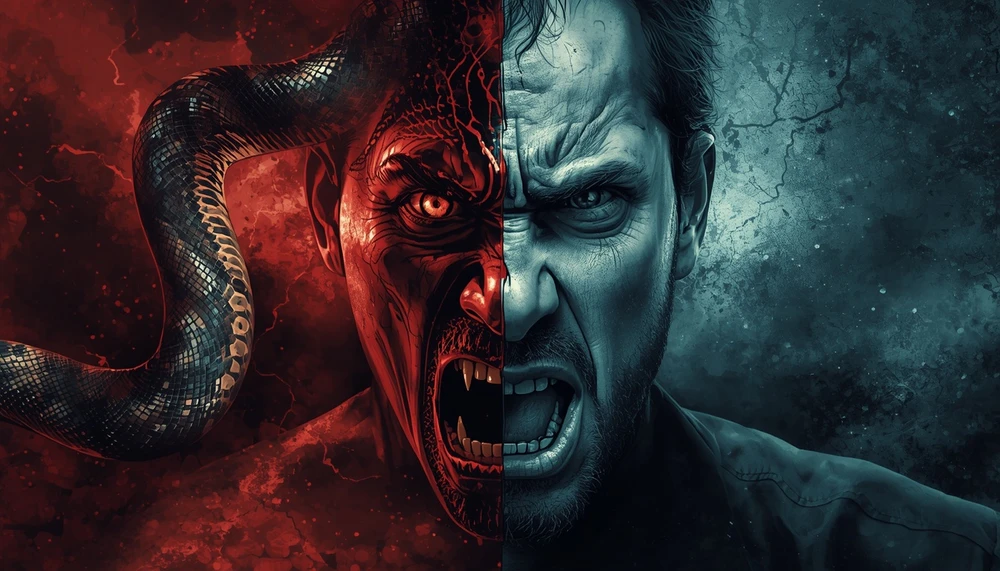
Physical fear is the kind of fear where the body reacts automatically to danger. For example, if you suddenly see a snake, your body reacts before you even start thinking. Your heartbeat increases, your muscles tighten, and your brain immediately tries to protect you. This reaction is deeply connected to human evolution and survival. In many ways, physical fear is important because it keeps us alive.
But psychological fear is very different.
Psychological fear exists mostly inside the mind. It happens when the mind constantly tells us to avoid something, even when there is no real physical danger present. I am not saying psychological fear is completely useless because it also has its purpose. The real problem begins when this fear starts controlling your life.
When your decisions start revolving around fear, everything changes. You stop taking risks, avoid uncomfortable situations, and slowly begin living according to fear instead of your own desires. And honestly, this is happening to many people nowadays.
Modern humans are no longer as afraid of wild animals or physical danger as people were in the past. Instead, people are now afraid of judgment, rejection, failure, embarrassment, loneliness, and uncertainty about the future. Most people spend their lives worrying about situations that have not even happened yet.
And that is the fear I am mostly talking about in this blog.
Many people think physical fear and psychological fear are completely different inside the brain, but that is not entirely true. Whether you are afraid of a snake or afraid of rejection, the brain reacts in a very similar way. The brain often cannot properly distinguish between real danger and imagined danger. That is why psychological fear can feel just as powerful as physical fear.
And maybe that is why fear has become such a major force in modern life.
Today, most physical dangers have disappeared from everyday life, but psychological fear has taken their place. Fear is no longer just about survival. It is now controlling thoughts, decisions, relationships, and the way people live their lives.
Is Fear Really “All in the Mind”?
Earlier, I talked about psychological fear and how it comes from the mind. But what if I told you that the mind itself actually creates most psychological fear? And by that, I mean that many times fear is not reality at all. It is simply imagination. The mind creates future scenarios and then becomes afraid of those imaginary situations.
One of the biggest things that helped me reduce fear in my own life was realising this truth. Most of the fears inside my mind were not real dangers at all. They were simply thoughts and imaginary situations created by overthinking.
For example, when I was in college, I really liked a girl, but I was terrified of approaching her. Fear of rejection constantly stayed in my mind. Questions like “What if she judges me?”, “What if I sound weird?” and “What if I embarrass myself?” kept repeating again and again. Before even talking to her, my mind had already created so many negative scenarios that fear itself started feeling real.
But one day, after gathering enough courage, I finally asked her out. And you know what happened? Nothing terrible happened. She actually said yes. None of the things I imagined ever happened. That moment made me realise something important. Reality is completely different from imagination. Nobody truly knows what will happen next or what another person is thinking, but the mind keeps pretending that it already knows the future. And that is where fear begins.
One of the biggest things that makes fear stronger is overthinking. The more we overthink, the stronger fear becomes. Overthinking drains mental energy, destroys clear thinking, and stops us from taking action. Instead of living in reality, we start living inside imaginary situations created by the mind.
Nowadays, many things make this even worse. Social media increases insecurity and comparison. Constantly worrying about the future creates anxiety. People spend hours imagining problems that do not even exist yet. But in the end, most psychological fear is nothing more than imagination mixed with uncertainty. And maybe that is why fear feels so powerful, because the mind can create suffering even without real danger being present.
When Fear Becomes Anxiety

In the previous section, I talked about things that strengthen fear, like overthinking loops, social media, and constant worrying about the future. But do you know what happens when fear becomes too powerful? It slowly turns into anxiety.
Fear mostly affects the mind, but anxiety starts affecting both the mind and the body. That is what makes anxiety much worse. A small fear repeated again and again inside the mind slowly becomes a constant state of stress.
I once read an article that said millions of people around the world suffer from some form of anxiety disorder. And honestly, it is not surprising anymore. Modern life constantly keeps people mentally exhausted. People worry about their future, relationships, careers, money, and even about how others see them. Slowly, those worries stop being temporary thoughts and become part of everyday life.
This is what overthinking does. A small fear enters the mind, then the brain keeps repeating it again and again until it becomes mentally exhausting. If those thoughts are not controlled early, they can seriously affect both mental and physical health.
Sadly, many people avoid getting help because they fear being judged by others. They think asking for help will make them look weak. Because of this, many people silently continue living an anxiety-driven life until it starts damaging their happiness, confidence, sleep, and overall peace of mind.
I still remember one incident from my own life. Once, I failed in one subject, and the next day there was a parent-teacher meeting. I knew my parents were going to find out about my result. That entire night, I could not sleep even for a single minute. My mind would not stop thinking. I felt so afraid that I could barely eat properly. It felt like anxiety had completely taken control over me.
Even though everything got sorted out later, that night still stayed in my memory for a long time. And maybe that is the scary part about anxiety. Sometimes the actual situation is not as painful as the fear our mind creates around it.
Signs Fear Is Controlling Your Life
One thing I noticed about myself was that I had absolutely no idea when fear started controlling my life. I knew I had fears, but instead of facing them, I kept avoiding them. And honestly, most people do the same thing. The scary part is that after some time, avoidance slowly starts changing your decisions, your behavior, and eventually your entire life without you even realizing it.
For example, I genuinely liked writing. Deep inside, I always wanted to express my thoughts and share my ideas with people. But I had a huge fear of judgment. I kept thinking, “What if people hate my writing?” or “What if they think I sound stupid?” To avoid those feelings, I slowly started moving away from writing itself. Instead of facing the fear, I almost chose a completely different path in life just to escape the possibility of being judged.
Much later, I realised something painful. Fear had quietly controlled my decisions for years. It took away opportunities from me and pushed me away from things I genuinely loved. And the worst part is that I did not even notice it while it was happening.
This is one of the biggest signs that fear is controlling your life. Instead of following your desires, you slowly start living according to avoidance. Comfort zones begin feeling safer even when deep inside you know you want more from life. Slowly, overthinking takes over every decision until you end up doing nothing at all. Important tasks keep getting delayed, opportunities are avoided, and uncomfortable situations are escaped. After some time, you even begin depending too much on validation from other people before taking any step in life.
If many of these things are happening in your life, then there is a good chance that fear is already controlling more of your life than you realise.
How to Overcome Fear and Anxiety
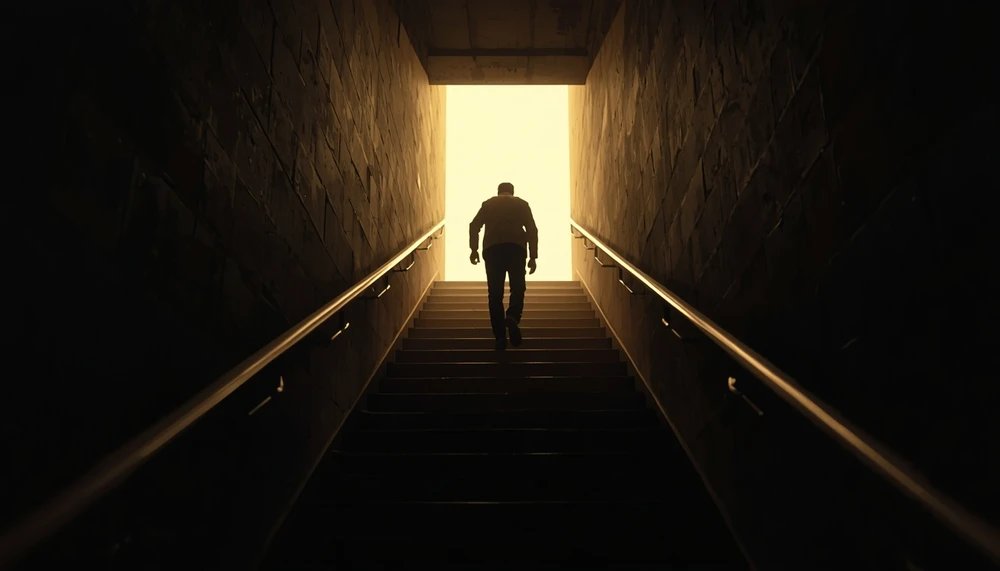
Now comes the most important part of this blog, the part you were probably waiting for from the beginning. If you have understood what fear is and realized that fear is controlling your life, then believe me, you have already solved a huge part of the problem. Most people never even realize what is actually happening inside their minds.
One thing I truly believe about humans is that once we become clear about something, we become extremely powerful. The real problem is that most people are mentally confused all the time. There are too many thoughts, too many opinions, and too many distractions. Slowly, this confusion makes the mind weak and dull. And when the mind becomes weak, emotions like fear and anxiety start taking control over it.
Honestly, many problems in my life remained unsolved because I never truly understood them. I was so busy living in fear that I never stopped to ask myself a simple question: “What is the actual problem here?” The moment I started questioning my fears instead of blindly obeying them, things slowly began changing.
Personally, I do not want to give random “life-changing tips” because the internet is already filled with them. I have tried many of those things myself, but most of them never worked for me at first. The reason was simple: I still did not understand the root problem inside my own mind. Once I finally understood what was actually wrong, overcoming fear and anxiety slowly became much easier. Still, there are a few things that genuinely helped me change my life.
1. Face the Fear Slowly
One of the most important things about fear is that the moment you face it directly, it starts losing its power. Fear grows in avoidance. The more you avoid something, the bigger and scarier it becomes inside your mind.
But that does not mean you need to face every fear at once. Start small. Move step by step. First, understand what you are actually afraid of. Then write those fears down somewhere. After that, slowly start facing them one by one.
This personally helped me a lot. Many fears that once felt huge slowly disappeared the moment I started confronting them instead of running away from them.
2. Stop Feeding Overthinking
Overthinking is one of the biggest reasons fear becomes stronger. The more you keep repeating fearful thoughts inside your mind, the more power you give them.
One thing that personally helped me was meditation. It helped me calm my mind and reduce overthinking. But honestly, it does not have to be meditation only. It can be walking, reading, exercising, journaling, or anything that gives your mind peace and clarity.
The goal is simple: stop constantly feeding fear with endless thoughts.
3. Accept Uncertainty
A huge amount of fear comes from uncertainty. People are constantly worried about the future. “What if something goes wrong?” “What if I fail?” “What if life does not work out?”
The human mind keeps imagining future disasters, and slowly those imaginary situations begin to feel real. But the truth is that nobody knows the future. No amount of overthinking can control what will happen tomorrow.
That is why constantly worrying about the future only creates unnecessary fear. Instead of trying to control everything, focus more on the present moment. Most things slowly become clearer with time.
4. Take Care of Your Body
One thing many people forget is that the mind and body are deeply connected. If your body feels unhealthy and exhausted, your mind will also struggle. Mental peace becomes very difficult when the body itself is stressed all the time.
This is why taking care of your physical health matters so much. Personally, yoga helped me a lot because it improved both my body and my mind. But it can be anything you enjoy, like going to the gym, running, walking, or exercising.
Sleep is also extremely important. Poor sleep affects both the body and the mind in powerful ways. A tired mind overthinks more, feels more anxious, and struggles to stay emotionally balanced. That is why proper sleep should always be a priority.
Final Thoughts
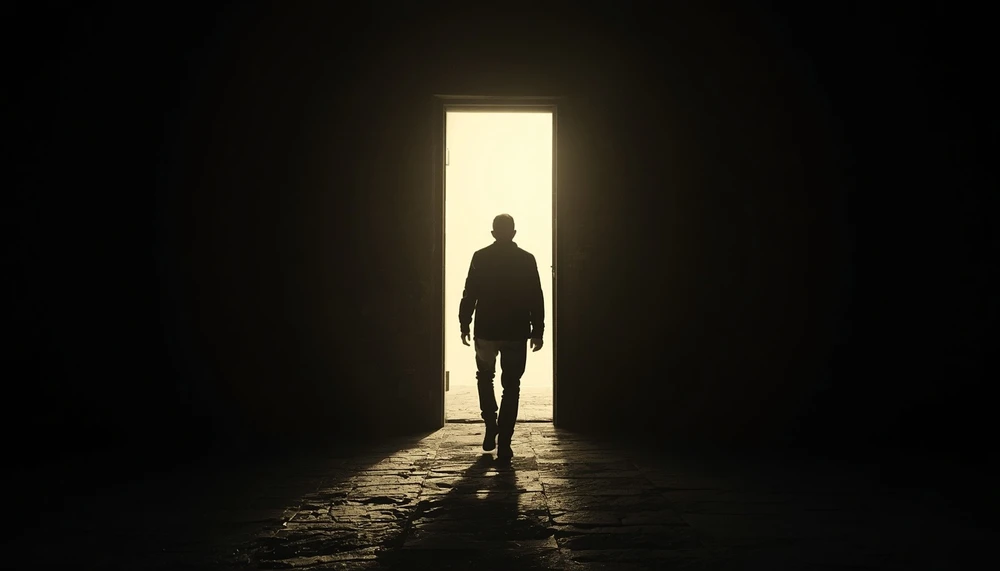
In the end, I do not think the goal should be to completely remove fear from life. Fear is a natural human emotion, and in many situations, it actually protects us. The real goal is not to destroy fear but to stop fear from controlling your life.
The important question is simple: Are you controlling your fears, or are your fears controlling you?
If fear is controlling your decisions, your actions, and your happiness, then something needs to change. And the sooner you realize that, the sooner your life can start changing, too.





2 Comments