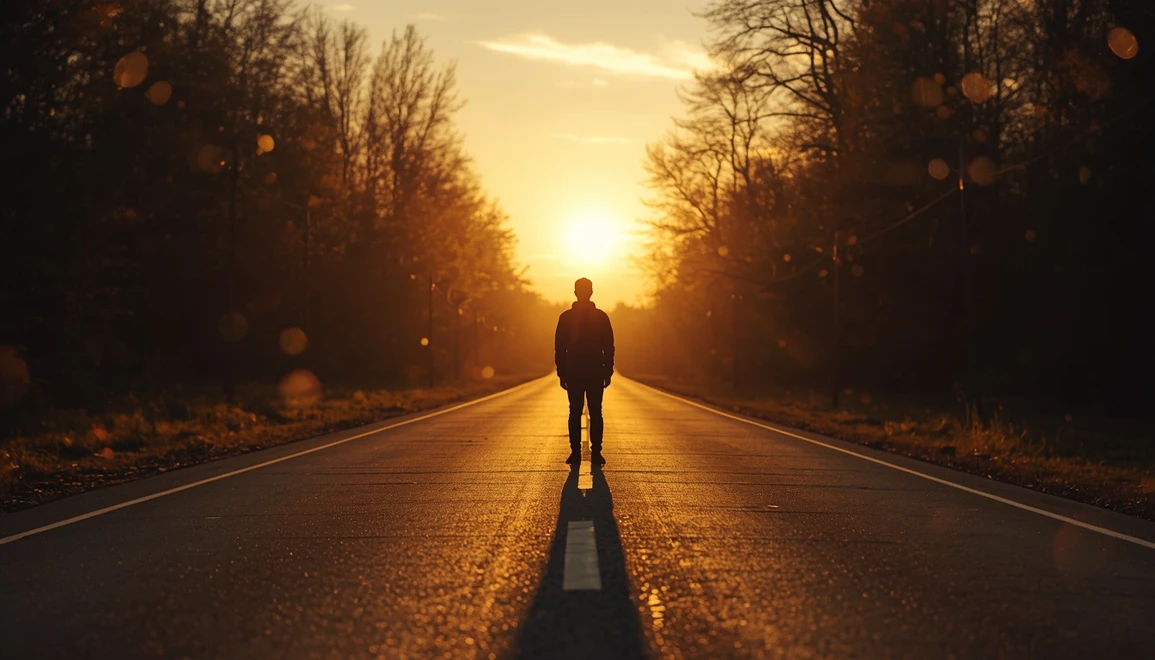
Are we actually living or just passing time?
Time is the only thing that moves in one direction. It never comes back, and it never stops for anyone. No matter how much we try to hold on to a moment or slow it down, time does not care. It simply keeps moving forward.
But have you ever stopped and asked yourself a strange question? How do we actually know that time exists? How do we know that it is moving forward? Take a moment and think about it. What is it that makes us feel the passage of time?
Whenever I think about this question, I keep coming back to the same answer: life itself. We know time is moving because we are alive. We grow older, our experiences change, our memories increase, and our lives continue to unfold. In a way, our existence is what allows us to experience time. The moment we die, time may continue for the rest of the world, but for us, it stops. We no longer experience its movement. That is why I often feel that life and time are deeply connected.
Now you might be wondering why I am talking about time in an article that is supposed to be about living. The reason is simple. I believe that living and time are inseparable. Our life is made up of time, and the way we spend our time determines the way we live.
But that leads me to another question: how many of us are actually living?
Personally, over the past few months, I have barely noticed where the time went. When I look back, those months do not feel like months at all. They feel like a few days that disappeared before I had the chance to appreciate them. My life has been running on a repetitive loop. I wake up, go to work, finish my tasks, come back home, make food, scroll on my phone for a while, and then go to sleep. The next day looks almost exactly the same. This has been my routine for months.
Today, while journaling, I realized something that hit me harder than I expected. So much of my time has gone into simply getting through the day that I forgot to actually live it. I was focused on passing the day rather than experiencing it. Instead of being present in my life, I was just moving from one task to the next.
That realization made me stop and think. What are we really doing with our lives? Are we actually living, or are we just passing time? And the more I thought about it, the more I felt that many people around me are struggling with the same thing. We are all busy, we are all occupied, but are we truly living?
That is the purpose of this article. Together, we will explore what it means to truly live, why so many of us feel stuck in endless routines, and how we can become more present instead of constantly drifting between the past and the future. Most importantly, we will try to answer one simple question: are we living our lives, or merely passing time?
What Does It Really Mean to “Live”?
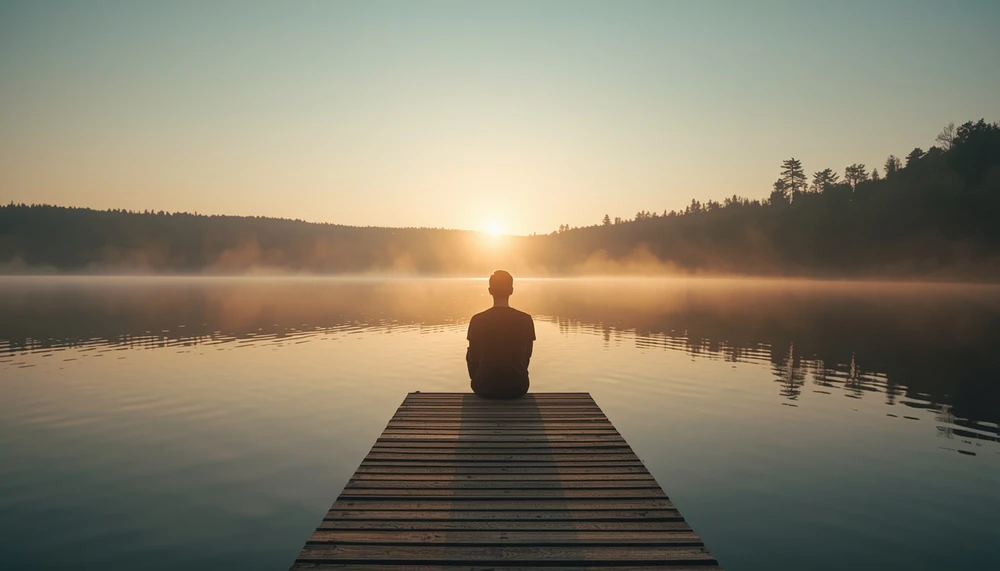
Before moving forward, I think we first need to answer an important question: what does it actually mean to live?
After all, if we do not understand what living is, how can we tell whether we are truly living or simply passing time?
The truth is that “living” is a very broad term. Every person on this planet is different. We all have different stories, experiences, dreams, fears, and priorities. Because of that, I do not think there is one perfect definition of living that applies to everyone. What feels like a meaningful life to one person may not feel meaningful to another.
So instead of trying to give a universal answer, I want to share my personal answer to this question. And while reading, I encourage you to think about your own answer as well.
For me, living means being present.
It means knowing where I am, what I am doing, and fully experiencing the moment in front of me. It means that my mind is not constantly wandering between the past and the future. In many ways, it is similar to how we lived as children. When we were children, we were completely absorbed in whatever we were doing. Whether we were playing, drawing, watching cartoons, or talking to our friends, our attention was fully there.
That is what living feels like to me.
Whenever I am fully present and completely engaged in what I am doing, I feel alive. It does not matter whether I am working, writing, exercising, eating, or having a conversation. If my attention is there, then I am truly experiencing that moment rather than simply moving through it.
The problem is that most of us rarely live this way anymore.
We are constantly thinking about the next thing.
When I am at work, I often catch myself thinking about what I will do once I get home. Then, when I finally get home, I start thinking about the tasks waiting for me the next day at work. My body is always in one place, but my mind is somewhere else.
And I do not think I am alone in this.
Many of us spend our lives mentally living in the next moment. We are always preparing, planning, worrying, or anticipating. As a result, the present moment slips away unnoticed.
I have noticed this even during conversations. Sometimes, while another person is speaking, I am not fully listening to them. Instead, I am busy thinking about what I am going to say next. I am hearing their words, but I am not truly paying attention.
If we struggle to be present even in our conversations, then how can we expect to fully experience life?
To me, living is a lot like flowing water. Water keeps moving forward naturally. It does not fight every second of its journey, and it does not obsess over where it will be next. It simply flows.
Life works the same way.
The next moment will arrive whether we worry about it or not. We do not need to constantly live in the future because the future eventually becomes the present on its own. The challenge is not reaching the next moment. The challenge is learning how to fully experience the one we are already in.
Signs You Are Just Passing Time

Now comes the most important part of this article: realization.
Before we can change anything about our lives, we first need to recognize where we currently stand. Are we truly living, or are we simply passing time?
But before I share some signs, let me tell you something important.
One of the biggest reasons people remain stuck in a life they do not enjoy is that they never realize they are stuck in the first place. Most of us become so used to our routines that we stop questioning them. We keep moving from one day to the next without ever asking ourselves whether we are actually happy with the way we are living.
What makes it even harder is that we often depend on other people to point out our problems. We wait for someone to tell us what is wrong instead of taking the time to honestly examine our own lives.
That is why I believe this section is the most important part of the article. Read it with an open mind. Do not focus on whether these signs apply to someone else. Ask yourself whether they apply to you.
1. Your Life Feels Like a Never-Ending Loop
The first sign is the one I mentioned earlier: life starts to feel repetitive.
You wake up, go through the same routine, and repeat the same actions day after day. There is nothing wrong with having routines, but when every day feels identical and you no longer find meaning in what you do, it may be a sign that you are simply moving through life rather than experiencing it.
Deep down, you may even dislike the way your days look, yet you continue repeating them because it has become familiar.
2. Every Day Feels the Same
Another sign is when you stop looking forward to your days.
Waking up without excitement becomes normal. Daily tasks feel more like obligations than choices. The hours are constantly being counted until the day finally ends. Instead of actively engaging with life, the focus shifts to simply getting through it.
When this becomes your normal state, it is worth asking whether you are truly living or merely existing.
3. You Are Always Waiting for “Someday”
This is one that I personally relate to.
Many of us keep telling ourselves that life will begin later.
We think we will be happy when we earn more money, find a better job, move to a new place, or finally achieve a certain goal. We place our happiness somewhere in the future and convince ourselves that the present moment is only something we need to endure.
The problem is that “someday” often never arrives. There is always another goal, another problem, or another reason to postpone living.
4. You Feel Emotionally Numb
Sometimes, passing time does not feel painful. Instead, it feels empty.
Excitement slowly starts to fade from everyday life. Activities that once brought joy no longer feel as interesting as they used to. Procrastination becomes more common, and even simple tasks can feel surprisingly difficult to complete.
It can feel as though you are moving through life on autopilot.
5. You Keep Waiting for the Perfect Moment
This is another lesson I learned from my own experience.
For a long time, I kept waiting for the perfect moment to start working on the things that mattered to me. I made excuses. I told myself I would begin tomorrow, next week, or next month.
But while I was waiting, time kept moving.
Eventually, I realized that I was not protecting myself from failure. I was simply postponing my life.
A Final Thought
If you recognised yourself in some of these signs, do not be discouraged.
The purpose of this section is not to make you feel bad about your life. It is to help you become aware of it.
Awareness is where change begins.
The moment you recognize that you have been merely passing time is the moment you can start living more intentionally. You do not need to change your entire life overnight. You simply need to stop drifting through it unconsciously.
Why So Many People Feel This Way

Now that you have an idea of what it means to truly live versus simply pass the time, the next question is: why do so many of us end up living this way? What causes it, and why is it so common?
I think the root of this problem lies partly in the society we grow up in. Personally, I do not like blaming society for every problem, but in this case, it is important to acknowledge its influence. From a very young age, we are often pressured to become a certain type of person. We are taught what success should look like, how we should behave, and what path we should follow. Over time, many of us stop asking what we actually want and start focusing only on fitting in.
As children, we are constantly told to do things for the approval of others and to become productive members of society. While there is nothing wrong with contributing to society, the fear of being judged or rejected often becomes deeply rooted in our psychology. Many people grow up believing that following the crowd is safer than discovering their own path.
Another major reason is the lack of genuine human connection. Human beings are social creatures, yet in today’s world, meaningful relationships are becoming increasingly rare. Social media keeps us constantly distracted and encourages us to chase appearances rather than reality. We become obsessed with curated lives, achievements, and validation from strangers, while feeling emptier inside.
Many people are also living on autopilot. They are physically present but mentally somewhere else. Their minds are always occupied with the future, the past, or endless distractions. As a result, life begins to feel distant, almost as if it is happening to someone else.
What Does a Truly Lived Life Look Like?

This question does not have a universal answer. What feels like a meaningful life to one person may feel completely different to someone else. Every individual has their own definition of a life well lived.
For me, a truly lived life is one where I spend more time doing things that genuinely matter to me. There have been many phases in my life when I found myself doing things simply because other people thought they were right for me. Deep down, I did not enjoy them, yet I continued because I believed I was supposed to. Looking back, that only made life feel dull and disconnected.
One thing I eventually realized is that I genuinely enjoy writing. I love putting my thoughts into words and sharing them with others. However, I did not grow up in an environment where writing was seen as something valuable. Many people around me considered it a waste of time. But much later, I discovered that whenever I write, I feel fully alive. I become completely present in the moment, deeply connected to my thoughts, and surprisingly at peace with myself.
Of course, everyone has responsibilities and routines. We cannot simply ignore them because they are an important part of life. However, I believe it is essential to include activities that bring us joy within that routine. It does not matter whether those things are small or big. What matters is that they exist. Those little moments of joy make life feel richer and more meaningful.
One of the most important changes I made personally was learning to understand the meaning behind the things I do instead of doing them simply because I have to. This mindset has transformed many areas of my life. For years, I performed tasks without questioning why they mattered. But the moment I started asking about the purpose and meaning behind my actions, those activities stopped feeling like obligations and started becoming a natural part of who I am.
Final Thoughts — Are You Living or Just Existing?
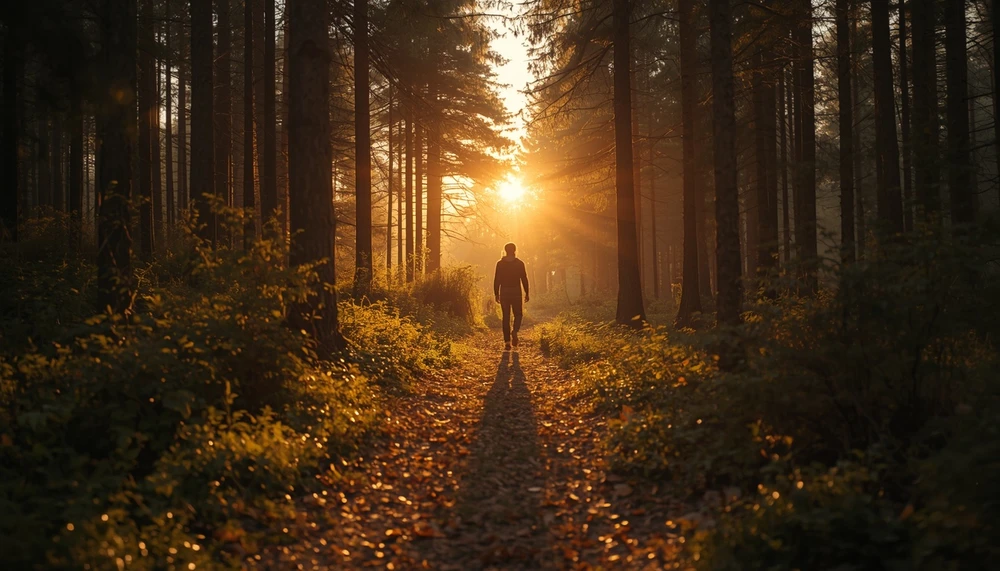
In the end, I would encourage you to keep asking questions. Never stop questioning.
Questions create clarity, and clarity is often what separates merely existing from truly living. When you ask meaningful questions, you begin to understand yourself, your choices, and your life more deeply.
Many of the answers you spend years searching for in the outside world may already exist within you. Sometimes, all you need is the courage to ask the right questions and listen honestly to the answers.
Life is not about being perfect. It is not about having everything figured out. Life is about doing things that genuinely matter to you, things that spark your curiosity and inspire you to keep moving forward.
Start small. Become more aware of your surroundings. Pay attention when you eat. Notice the feeling of walking outside. Listen carefully when someone is speaking to you. Be present when you are traveling to work or returning home. The more aware you become of ordinary moments, the more you begin to realize how beautiful life truly is.
And perhaps the most important thing to remember is this: life is not measured by how long we live. It is measured by how deeply we experience the moments we are given. The goal is not simply to exist for many years, but to truly live while we are here.