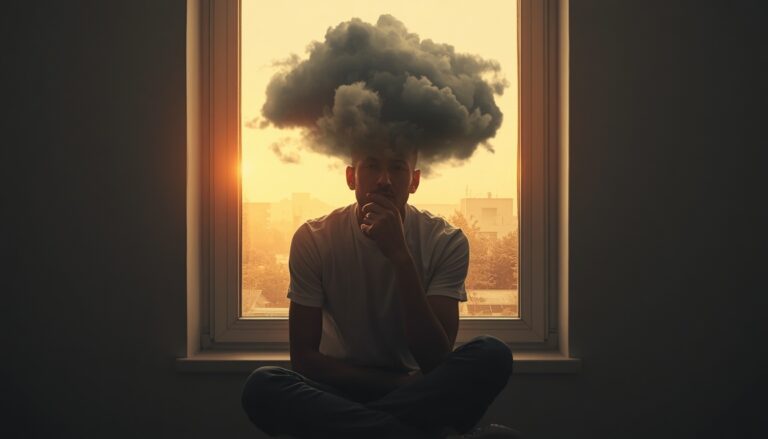

The Validation Trap: Breaking Free from Needing Approval
One day, one of my friends told me to install a social media app.
I asked him, “Why would I do that?” He replied, “You’ll find all the people you’ve met throughout your life there.”
Now, I have never been a huge fan of social media. I rarely felt the need to share my life online or spend hours scrolling through other people’s posts. But out of curiosity, I decided to give it a try.
After creating my account, I started exploring. My friend was right. I found old classmates, childhood friends, former colleagues, and many people I had met at different stages of life. Naturally, I started following them.
As I scrolled through their profiles, I noticed something interesting. Their feeds were full of photos, updates, achievements, trips, celebrations, and moments from their lives. My profile, on the other hand, was empty. So I decided to start posting as well.
At first, it was exciting. People liked my posts. Some left comments. Others shared encouraging words. Every notification felt rewarding. It was something new, and honestly, I enjoyed it.
But after a few months, something started to change. I noticed that I was posting more frequently than before. More importantly, I was checking my phone far more often than necessary. Every time I uploaded something, I would find myself waiting for the likes and comments to appear.
Without realising it, sharing had stopped being my reason to post. I was no longer uploading to express something meaningful. I had started posting purely because I wanted a reaction.
And that was the moment I realised I had fallen into what I personally call the Validation Trap.
The scary thing about this trap is that it doesn’t look dangerous at all. Unlike other problems in life, this one hides behind things that seem completely normal. Everyone around you is doing the same thing, so you never question it. In fact, most people don’t even realise they’re trapped in it.
Think about it for a moment. Have you ever felt unusually happy because a post received more likes than expected? Or strangely disappointed because it didn’t perform as well as you hoped? Have you ever found yourself checking who viewed your story, who liked your photo, or who commented on your update?
Most of us have.
That is why this trap is so powerful. It slowly convinces us that our value depends on how other people react to us.
When I realized this, I became curious. I wanted to understand why I was behaving this way. Why was my mood being influenced by numbers on a screen? Why was my self-esteem becoming connected to the opinions of people who barely knew me?
The deeper I looked into the psychology behind validation, the more I realized that this wasn’t just my problem. It was everywhere. Even today, I see people trapped in the same cycle.
Just yesterday, I went to watch the sunset with a friend. The view was beautiful. The sky was painted with shades of orange and gold, and for a few moments everything felt peaceful.
But instead of enjoying the sunset, my friend spent most of the time taking pictures, posting them online, and checking how many people were liking and commenting on them.
The sunset was happening right in front of us.
Yet the real focus had become the reactions of people who weren’t even there.
That moment reminded me why I wanted to write this article.
This blog is not about criticising social media. Social media itself is not the problem.
The problem begins when our happiness, confidence, and self-worth become dependent on the approval of others. Because once that happens, we hand over control of our self-esteem to people who should never have had that power in the first place.
What Is Validation?

Before moving forward, first you should understand what validation actually is. Now I am not going to give you some generic dictionary definition because you can find that anywhere on Google. Instead, let me tell you what validation means to me.
For me, validation is when my opinions, decisions, and actions only feel right after other people approve of them. It is like giving someone else authority over my own life and allowing their opinions to decide how I should feel about myself.
Think about social media for a moment. When you post something online, why are you really posting it? Are you posting it because you genuinely want to share a moment from your life, or are you posting it because you want to know whether other people think it is good?
Most of us already know the answer. We look at the views, likes, and comments, and based on those numbers we decide whether the post was successful or not. In fact, if enough people tell you that a post is bad, there is a good chance that after some time you will end up deleting it.
The interesting thing is that nothing about the post actually changed. The picture is still the same, the memory behind it is still the same, and the moment you captured is still the same. The only thing that changed was other people’s reaction to it. That is what I call seeking validation.
Why Do We Crave Validation?

Now you might be wondering why we crave validation so much in the first place. Many people think this behavior was created by social media, but the truth is that it is much older than Instagram, Facebook, or TikTok.
Thousands of years ago, humans lived as hunters and gatherers. Unlike many animals, our greatest strength was not speed or physical power but our ability to work together in groups. Because of that, being accepted by the tribe was extremely important for survival.
If someone was rejected by the tribe, they could lose protection, support, and access to resources. In many situations, being excluded from the group could mean death. As a result, our brains evolved to care deeply about social acceptance and belonging.
The world has changed dramatically since then, but our brains have not changed at the same pace. Today, getting fewer likes on a post will not threaten your survival, yet a part of your brain still interprets social rejection as something dangerous. That is why criticism hurts, approval feels rewarding, and being ignored can sometimes affect our mood far more than it should.
The environment changed, technology changed, and society changed, but that ancient desire to belong remained the same. The problem is that today many of us try to satisfy that need through likes, comments, followers, and online approval. When those things are missing, our brains react as if we have been rejected, even though nothing truly important has happened.
Understanding this is important because it helps us realise that there is nothing wrong with wanting acceptance. The real problem begins when our need for acceptance becomes so strong that it starts controlling our self-worth.
The Hidden Difference Between Appreciation and Validation

There is a very thin line between appreciation and validation. Understanding that difference can save you a lot of time, stress, and disappointment in life because I personally learned this lesson the hard way.
For a long time, I used to mistake validation for appreciation. Whenever someone praised my work, I thought it was simply making me feel good. It took me a while to realize that appreciation and validation are not the same thing.
Now you might be wondering how to tell the difference between the two.
Unfortunately, there is no perfect formula or checklist that can instantly give you the answer. The only way to know is by paying attention to how you feel after receiving praise or compliments.
For example, when someone compliments you, do you simply feel good and move on with your day? Or do you immediately start craving more compliments? Feeling happy after appreciation is completely normal. In fact, appreciation can be a wonderful thing. The problem begins when your mind starts revolving around that feeling and begins looking for more of it.
That is usually the moment appreciation starts turning into validation.
If you are unsure whether something is appreciation or validation, ask yourself a simple question: “If nobody praised me for this, would I still want to do it?” The answer often reveals more than you think.
I learned this lesson while working on a project that I desperately wanted to be a part of. When my boss gave me the responsibility to work on it, I was genuinely excited. I worked hard, built the initial version, and presented it to the team.
The response was amazing.
My colleagues appreciated the work, my boss was happy, and I received a lot of positive feedback. At first, that appreciation motivated me to keep improving the project.
But without realizing it, something changed inside my head.
The appreciation I received slowly turned into validation. Instead of focusing on building a better product, I started focusing on what people would think about my next version. I wanted the same praise again. I wanted the same reactions again.
As a result, my attention shifted away from the work itself.
When I started working on the final version, my focus was no longer on creating something useful. It was on impressing people. Ironically, because of that shift in focus, I ended up creating something much worse than what I had built before.
I did not even realize how many mistakes I had made until I showed it to everyone.
That experience taught me an important lesson. Appreciation can boost your confidence, improve your self-esteem, and motivate you to do better. There is absolutely nothing wrong with enjoying appreciation.
The danger begins when appreciation gets into your head and turns into validation. Once that happens, your focus shifts away from the work and toward people’s reactions. You stop caring about doing great work and start caring about how great people think your work is.
Always remember this: appreciation is healthy because it is a bonus. Validation is dangerous because it becomes a requirement.
The moment your happiness depends on receiving praise, you stop controlling your self-worth and start handing that control to other people.
Signs You Are Trapped in the Validation Loop

Now let’s talk about some common signs that can help you identify whether you are trapped in the validation loop or not.
The first sign, and probably the most important one, is that your life starts revolving around what other people think about you. I once read a quote that perfectly describes this situation: “We are not what we think we are; we are what other people think we are.” While I don’t completely agree with that statement, many people unknowingly live their lives that way. Their decisions, actions, and even happiness are controlled by how they believe others perceive them.
The second sign is constantly seeking approval before making decisions. In simple terms, you stop trusting your own judgment and start relying on other people to validate your choices. There is nothing wrong with asking for advice, but if you cannot make even small decisions without getting confirmation from someone else, there is a good chance that you are stuck in the validation loop.
The third sign is getting overly affected by criticism. If someone says something negative about you and it ruins your entire day or immediately makes you angry, then validation may be playing a role. The reason is simple: when someone else’s opinion has the power to completely change your emotional state, you have already given them more authority over your life than they deserve.
The fourth sign is when your mood depends on social media engagement. This is probably one of the most common forms of validation-seeking today. Many people feel excited when their posts receive lots of likes, views, and comments, and disappointed when they don’t. That is one of the reasons why people often post only the best moments of their lives online while hiding everything else.
Another sign that personally affected me was finding it difficult to say no. For a long time, I agreed to things I didn’t want to do simply because I didn’t want to look like a bad person in someone else’s eyes. Later, I realized that constantly saying yes wasn’t kindness—it was fear of disapproval. Learning to say no was one of the most important lessons I learned.
The last sign is hiding your real personality in order to be liked. I found myself doing this a lot during my social media phase. I would only post the good parts of my life and avoid showing anything that didn’t fit the image I wanted others to see. Looking back, I wasted a lot of time and energy trying to maintain a version of myself that wasn’t completely real.
If you relate to one or more of these signs, don’t worry. It doesn’t automatically mean there is something wrong with you. It simply means that, like many of us, you may have started placing too much importance on other people’s opinions. The good news is that once you become aware of the validation loop, you can start breaking free from it.
The Real Cost of Living for Other People’s Approval

One of the most important things about being human, and especially being you, is your authenticity. Your experiences, your story, your personality, and your perspective are what make you different from everyone else. That uniqueness is your greatest strength.
But what happens when you stop accepting that uniqueness?
What happens when you start rejecting who you are and begin shaping yourself according to what other people want you to be?
The answer is simple: you slowly lose your authenticity.
And that is exactly what happens when you live for other people’s approval. You become so focused on being accepted that you stop being yourself. Instead of expressing your real thoughts, opinions, and personality, you start presenting a version of yourself that you think others will like.
Unfortunately, this is becoming more common than ever.
Many people spend so much time trying to fit in that they never truly get to know themselves. They hide parts of their personality, suppress their opinions, and constantly compare themselves to others. Over time, they become disconnected from who they really are.
I personally believe that this is one of the reasons so many people struggle with loneliness today.
When you don’t accept yourself, you start trying to become someone else. The problem is that no matter how hard you try, you can never fully become another person. You can only become a poorer version of yourself.
Think about it this way: imagine spending every day with someone you dislike. Eventually, you would feel exhausted and frustrated.
That is exactly what happens when people stop accepting themselves. They become trapped in a constant battle against their own nature. Instead of appreciating who they are, they spend their energy wishing they were someone else.
Validation often looks harmless on the surface, but deep down it can be incredibly damaging. It slowly teaches you that your value depends on other people’s opinions rather than your own.
As a result, even happy moments stop feeling truly happy. Achievements no longer feel enough on their own because you need someone else’s approval to confirm that they matter. A success is not a success until someone praises it. A moment is not enjoyable until someone acknowledges it.
Over time, this can destroy self-esteem without you even noticing it.
You stop trusting your own judgment. You stop believing in your own worth. And little by little, your life becomes controlled by the opinions of people who are not even living it.
That is why the biggest cost of seeking validation is not embarrassment, rejection, or criticism.
The biggest cost is losing yourself.
How to Stop Needing Constant Approval

Now that you understand how damaging the validation loop can be, the real question is: how do you break free from it?
I am not going to give you generic advice because, personally, I believe people learn more from real experiences than from motivational quotes. So instead, I will share what worked for me.
The first thing I did was identify what was pulling me into the validation loop. I took some time to write down all the situations where I found myself seeking approval from others. This simple exercise helped me understand the root of the problem because, in my experience, identifying a problem solves half of it.
One of my biggest issues was that I spent too much time worrying about what other people thought about me. Even the smallest decisions in my life were influenced by how others might react. To overcome this, I started taking small actions without asking for approval. I would make decisions on my own and stick with them, even if someone criticized them. Over time, I realized something interesting: most people were not thinking about me nearly as much as I imagined they were.
Another problem was my inability to say no. For a long time, I agreed to things I didn’t want to do simply because I didn’t want to disappoint people. So I made a conscious effort to say no more often. At first, it felt uncomfortable, but like any skill, it became easier with practice. Today, saying no is no longer something I struggle with.
Social media was another major source of validation-seeking in my life. It constantly encouraged me to compare myself with others and look for approval through likes, comments, and views. Eventually, I decided to remove social media completely from my life. This may not be the right choice for everyone, but for me, it was one of the best decisions I ever made. If I want to connect with someone, I can simply call them. Removing social media eliminated a huge portion of my validation issues and significantly reduced my tendency to compare my life with other people’s highlight reels.
Another major change came from building confidence internally instead of externally. Through meditation, self-reflection, and other personal practices, I slowly stopped relying on outside approval to feel good about myself. The confidence I once looked for in compliments and praise started coming from within. This was one of the most life-changing shifts I experienced.
Perhaps the biggest lesson I learned is that validation becomes less important when you are genuinely content with your life. People who are happy with themselves rarely feel the need to constantly prove their worth to others. They are not obsessed with showing off, comparing themselves, or seeking approval because they already feel secure within themselves.
That doesn’t mean they never appreciate praise. It simply means they don’t depend on it.
The Freedom That Comes When You Stop Seeking Validation

Once you start breaking free from the validation loop, you begin to realize how much energy it was stealing from your life.
You become more confident because your self-worth is no longer controlled by other people’s opinions. You experience more peace because you stop constantly worrying about how you are being perceived. And perhaps most importantly, you gain more time and mental space to focus on things that truly matter.
Your decisions become easier because they are based on your own values rather than other people’s expectations. You stop looking for permission to live your life and start taking responsibility for it yourself.
You also begin appreciating simple moments again. Instead of thinking about how something will look to others, you start enjoying it for what it actually is. Life becomes less about performing and more about experiencing.
Looking back, I think the biggest benefit of leaving the validation loop was that it allowed me to reconnect with my authentic self. The version of me that wasn’t trying to impress anyone. The version of me that could simply exist without constantly seeking approval.
And that is when I truly started living.
Not everyone will understand you. Some people won’t support you. Others may never approve of what you do. And that’s perfectly okay.
Your worth was never meant to be decided by a crowd.